
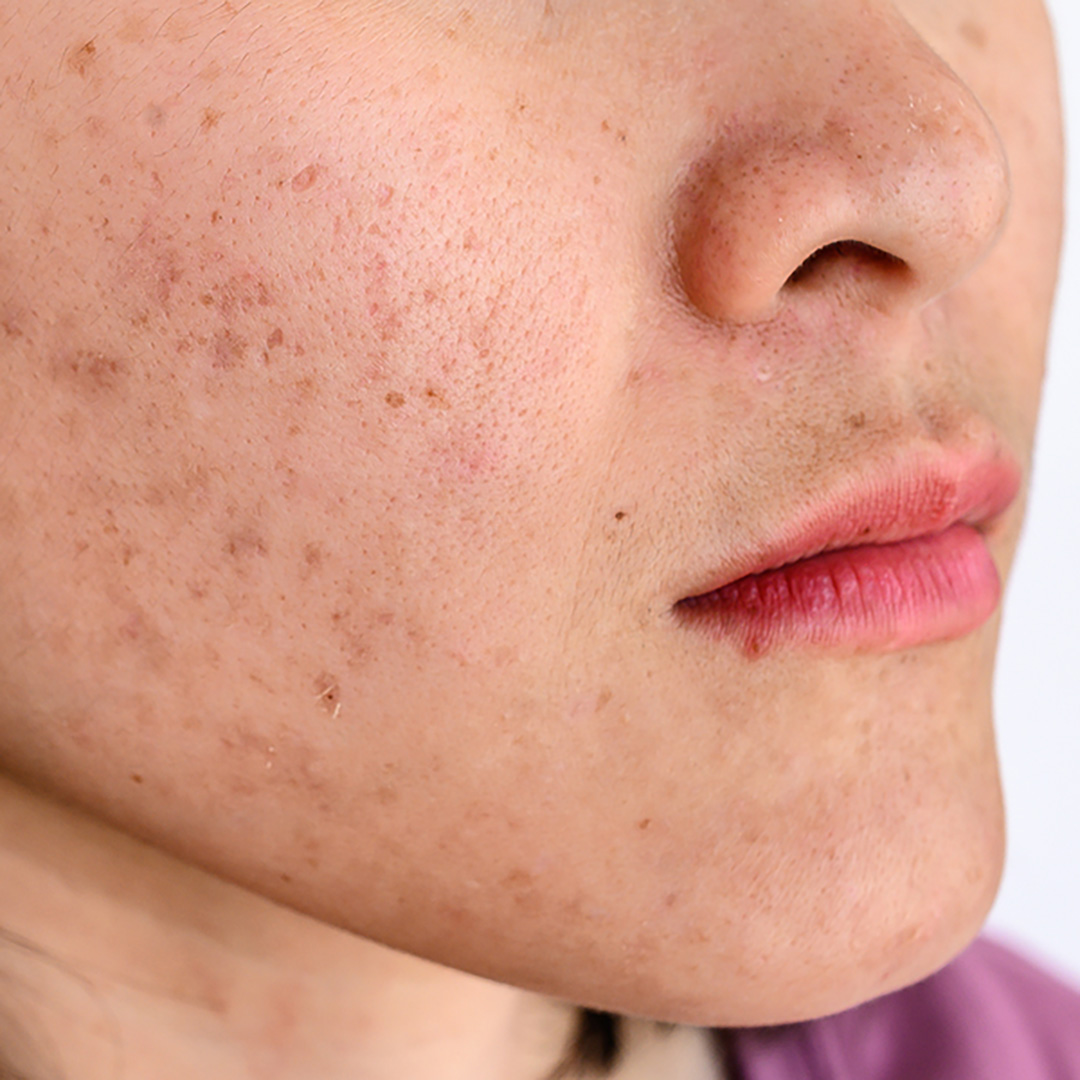
Melasma is one of the most common skin concerns I see at Nima Skin Institute. It often appears as brown patches on the cheeks, forehead, nose, or upper lip. While melasma is not harmful, it can be frustrating and difficult to manage. Understanding what causes it, how to treat it, and ways to prevent flare-ups is key to keeping your skin clear and confident.
What Causes Melasma?
Melasma develops when pigment-producing cells in the skin (melanocytes) become overactive. Several factors can trigger this:
- Sun exposure: Ultraviolet (UV) light is the most powerful trigger. Even small amounts can worsen discoloration.
- Hormonal changes: Pregnancy, birth control pills, and hormone therapy are common culprits.
- Genetics: A family history of melasma increases your risk.
- Skin type: People with medium to darker skin tones are more likely to develop it.
- Heat and light exposure: Beyond UV rays, visible light and heat from the environment may contribute to it.
Treatment Options
Melasma does not always respond to a single treatment, but a customized approach can make a big difference. At Nima Skin Institute, I tailor treatment plans to your skin type and lifestyle. Options include:
- Topical creams: Prescription-strength creams with various combinations of ingredients help lighten dark patches.
- Chemical peels: Gentle peels can exfoliate the skin and reduce pigmentation over time.
- Microneedling with topical treatments: This combination can boost absorption of brightening ingredients.
Keeping Melasma Under Control
Because melasma is chronic and prone to relapse, daily maintenance is essential. Here’s how you can keep flare-ups in check:
- Commit to sunscreen: Broad-spectrum SPF 30+ every single day—even indoors, since visible light can trigger pigment. Reapply every two hours when outdoors.
- Wear protective clothing: Hats and sunglasses provide extra defense against sunlight.
- Use gentle skin care: Avoid harsh scrubs and irritating products that can inflame skin.
- Stick to your regimen: Consistency with prescribed creams or treatments is crucial for long-term results.
- Regular check-ins: Melasma requires monitoring. I recommend periodic visits to adjust your plan, as needed.
Let’s get and keep your melasma under control
While melasma can be persistent, it doesn’t have to control your skin. With a combination of in-office treatments, appropriate skin care, and strict sun protection, you can achieve clearer, more even-toned skin.
At Nima Skin Institute, we specialize in personalized treatment plans for melasma and other pigment concerns. If you’re struggling with stubborn discoloration, please feel free to contact us—we’re here to help you feel confident in your skin.